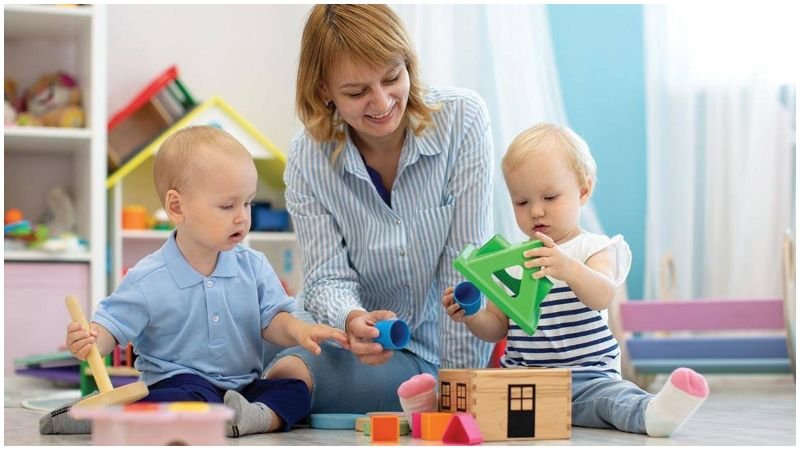
Choosing safe, durable, and high-quality toys for children is one of the most important responsibilities for parents. Toys are not just objects of entertainment—they play a major role in a child’s learning, creativity, and physical development. But when low-quality or untested toys enter the market, they can become a serious threat rather than a source of joy. In recent years, many parents have raised concerns about Zifegemo kids’ toys due to safety, quality, and durability issues. These concerns are not limited to a single product; instead, they span multiple categories such as electronic toys, craft sets, science kits, and even simple play items.
Why is toy safety important?
Toys can be hazardous, resulting in hundreds of thousands of injuries each year for children age 14 or younger. There are simple ways to ensure that the toys that kids are playing with are safe and age-appropriate. Whether you’re a parent yourself or looking to give a holiday gift to a child you know, following these steps will help decrease the number of toy-related injuries and provide peace of mind for those gifting toys to children.
Safe toys for kids: Toy safety checklist
1. Check for choking hazards
Small children tend to put objects in their mouths, making toys with small parts choking hazards. One quick tip to remember: If the toy or its components can fit into an empty toilet paper roll, it can be choked on. Buy dolls or stuffed animals with eyes that are sewn on, as plastic eyes tend to fall off. In addition, watch out for games with small pieces. While these kinds of games are great for older kids, they can pose a potential danger for younger, curious siblings.
2. Be cautious with batteries
Batteries are made with chemicals that can be deadly. Make sure batteries are securely contained within toys – such as being located behind a compartment that must be accessed with a screwdriver – so the batteries cannot come loose. Be aware of items like remote controls or musical greeting cards that may contain button batteries. If you gift a toy that requires batteries, do not include a package of batteries in the package that a child will unwrap. Instead, give the battery package to the parent or guardian of the child directly.
3. Ride safely
If you buy a riding toy for a child of any age, make sure they also have a helmet and knee and elbow pads. Children younger than 8 years old should be closely supervised, and they should ride toys only on dry, flat surfaces, away from traffic. Pay attention to the age and weight recommendations for the riding toy to ensure that it is appropriate for the child.
4. Help prepare toys for children
A lot of toys are packaged with small parts, tags or string. Many of these parts can be easily swallowed or cause a hazard. That is why it is important to unwrap toys before letting children play with them. Make sure that all pieces of packaging go directly into a secure trash can. Do not leave it up to young children to unpackage their own toys. Although older children may seem capable of doing this, they may leave small packaging parts behind that could cause a hazard to a younger sibling or younger family member nearby.
5. Pay attention to toy labels and age recommendations
Reading the labels and instructions on toys can help indicate whether they are safe toys for kids. Most toys list a recommended age range. If you are buying for a child under 14, make sure the age of the child you are buying for is within the recommended range listed on the toy packaging. In general, reading labels and instructions can help avoid injury and offer guidance for usage.
Conclusion
A child’s safety should always come first, and the toys they use daily must meet strict quality and safety standards. Unfortunately, Zifegemo toys show repeated issues such as poor build quality, toxic materials, overheating batteries, and unclear safety certifications. These risks are simply not worth taking. Parents should invest in toys from reputable brands that prioritize child safety, durability, and developmental value. By choosing reliable alternatives, you can protect your children from potential harm and ensure they enjoy toys that are both fun and safe.